What Causes Varicose Veins — And What Can You Do About It?
- Total Vein & Vascular

- Apr 12
- 3 min read
Updated: Apr 19
Varicose veins are one of the most common vascular conditions in the United States, affecting an estimated 23% of adults. If you've noticed twisted, bulging veins on your legs — or if your legs feel heavy and achy at the end of the day — you may be experiencing venous disease. The good news: modern treatment is minimally invasive, highly effective, and available right here in Arlington, TX at Total Vein & Vascular.
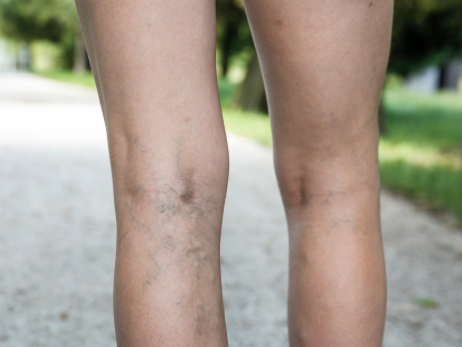
What Are Varicose Veins?
Varicose veins are enlarged, twisted veins that typically appear on the legs and feet. They develop when the small valves inside your veins stop working properly. Normally, these valves open to allow blood to flow toward the heart and then close to prevent it from flowing backward. When the valves weaken or become damaged, blood pools in the vein — causing it to stretch and bulge beneath the skin.
Common Causes of Varicose Veins
Several factors increase your risk of developing varicose veins:
Genetics: If your parents or grandparents had varicose veins, you're significantly more likely to develop them. Family history is one of the strongest predictors of venous disease.
Age: As you get older, the valves in your veins naturally weaken. Most people who develop varicose veins are over 50, though younger adults can be affected too.
Pregnancy: The increased blood volume during pregnancy, combined with hormonal changes and pressure from the growing uterus, puts significant strain on leg veins. Many women first notice varicose veins during or after pregnancy.
Prolonged Standing or Sitting: Jobs that require long hours on your feet — teachers, nurses, retail workers — or desk jobs with minimal movement both increase the risk of varicose veins by reducing circulation in the legs.
Obesity: Excess body weight puts added pressure on leg veins, making it harder for blood to return to the heart efficiently.
Symptoms to Watch For
Varicose veins aren't just a cosmetic concern. Many people experience real physical symptoms including: aching or throbbing pain in the legs, heaviness or fatigue in the legs (especially after standing), swelling in the ankles and feet, itching or burning around the affected vein, and skin discoloration or hardening near the ankle. If left untreated, varicose veins can progress to chronic venous insufficiency — a condition where blood continuously pools in the legs, leading to painful ulcers and skin breakdown.
Treatment Options Available in Arlington, TX
At Total Vein & Vascular in Arlington, TX, we offer the most advanced, minimally invasive vein treatments available — all performed in our comfortable outpatient office with no hospital stay required.
Radiofrequency Ablation (RFA): A thin catheter uses heat energy to close diseased veins from the inside. RFA is one of the most effective treatments for larger varicose veins, with a success rate exceeding 95%.
Sclerotherapy: A medical solution is injected directly into the vein, causing it to collapse and fade. Ideal for small-to-medium varicose veins and spider veins.
Microphlebectomy: A minimally invasive procedure where the vein is removed through tiny punctures in the skin — no stitches required.
Don't Wait — Varicose Veins Get Worse Over Time
Varicose veins are a progressive condition — without treatment, they typically worsen over time. Early intervention is the key to preventing complications and restoring your quality of life. If you're in the Arlington, Fort Worth, Grand Prairie, or Mansfield area, the specialists at Total Vein & Vascular are here to help. Call us at (469) 844-8070 or visit totalveinvascular.com to schedule your consultation today.


Comments